 TerraClear Foundation
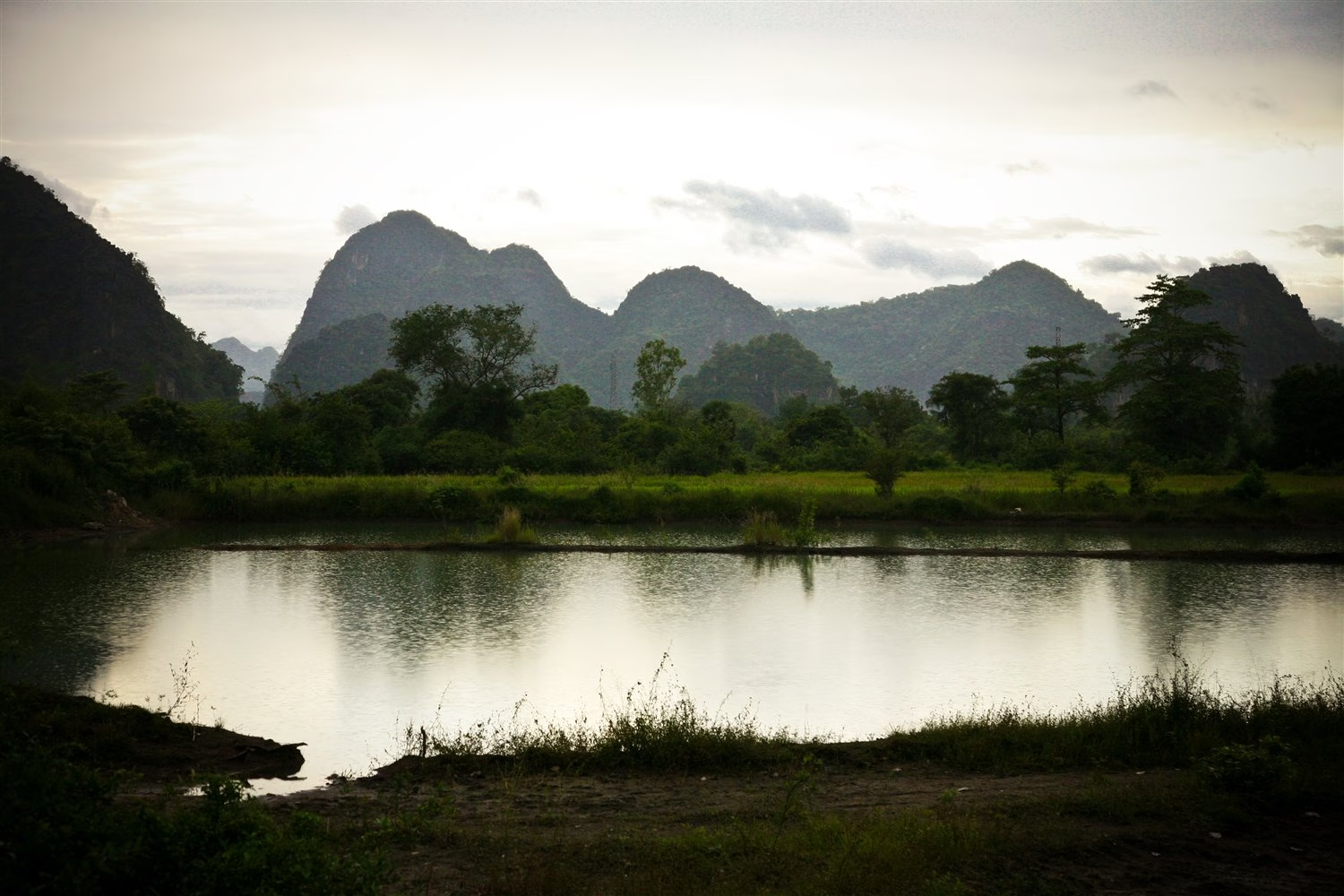
Clean water is not a given in Laos.
For millions of people, the closest water source is a river, a pond, or an open well — and what looks clear can carry disease that keeps children out of school and parents out of work.
The water is there. Safe water isn't.
Laos is one of the most water-rich countries in Southeast Asia, threaded with rivers and fed by monsoon rains. But abundance is not the same as safety. In rural and highland communities, water is collected from sources shared with livestock, contaminated by runoff, and stored in conditions where bacteria thrive.
The consequences fall hardest on children. Repeated diarrheal illness drains the energy a child needs to grow and learn, and a sick week is a missed week of school. For families, the cost of treating preventable illness — and the time spent boiling water over scarce firewood — is a quiet tax paid every single day in missed opportunities and increased sickness from the smoke.
Why other fixes fall short.
Boiling works, but it depends on charcoal and firewood that's costly or increasingly scarce. The cost of bottled water is far beyond what most rural families can afford. Piped water projects take years, are difficult to keep clean and rarely reach remote villages. What communities need is something affordable, immediate, and built to last in the places they actually live.
That gap — between water that exists and water that's safe to drink — is exactly where TerraClear Foundation is active.